Punjab means the land of five rivers. The word has been derived from the Persian words panj (five) and aab (water). The five rivers namely Beas, Chenab, Jhelum, Ravi and Sutlej The presence of five rivers is the reason why Punjab’s soil is conducive for wheat cultivation, and hence it is also called the Wheat Bowl of India.
Home to the first planned city
Chandigarh is India’s first planned city after Independence. Its layout was designed for the people of west Punjab who had migrated after Independence. The city has a good green cover and well-maintained streets.
Most visited tourist site
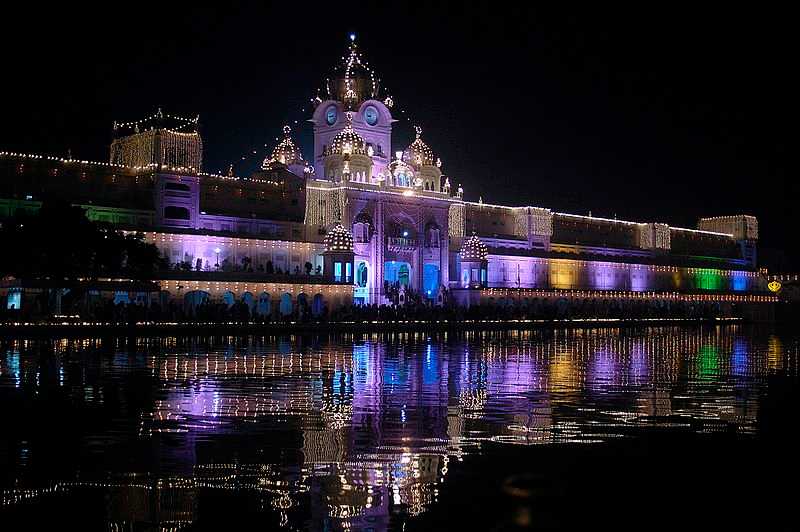
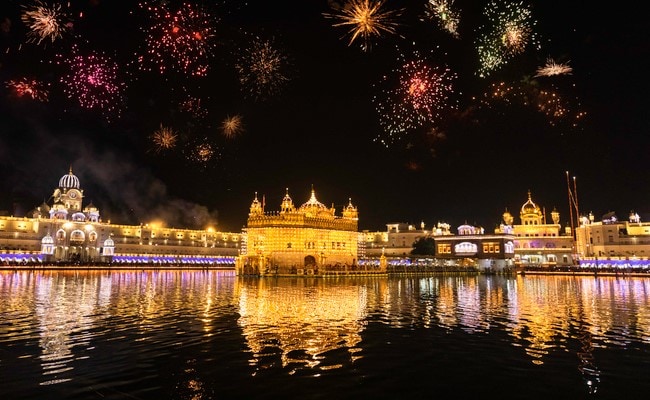
According to the World Book of Records, the United Kingdom, the Golden Temple in Amritsar is the most visited tourist place in the world. The Golden Temple or Shri Harmandir Sahib is believed to be the most important pilgrimage site in Sikhism
Trigarta
In the olden days, Punjab was known as Trigarta. It was a kingdom as mentioned in the ancient scripture Mahabharata. Mahabharata talks about two different Trigarta kingdoms–one towards the west near the Sivi Kingdom and the second north to the Kuru Kingdom. Trigarta is the territory surrounding Satluj, Beas, and Ravi rivers.
One State: Two Countries
Before the partition of India in 1947, Punjab was a large state in British India. After Partition, Punjab divided into two regions; Indian Punjab and Pakistani Punjab.
Cradle of Civilization
In the Indian and Pakistani Punjab, the Indus Valley Civilization flourished which is considered one of the ancient civilizations. The civilization flourished around the Indus river system.
Gave Birth to Two New States
The modern Indian Punjab came into existence on 31 October 1966 when Himachal Pradesh and Haryana were carved out.
Sikhism Was Founded Here
In the late 15th century, Guru Nanak Dev laid the foundation of Sikhism in Punjab. Punjab is the largest state of the Sikh population.
Place of The Holiest Sikh Shrine
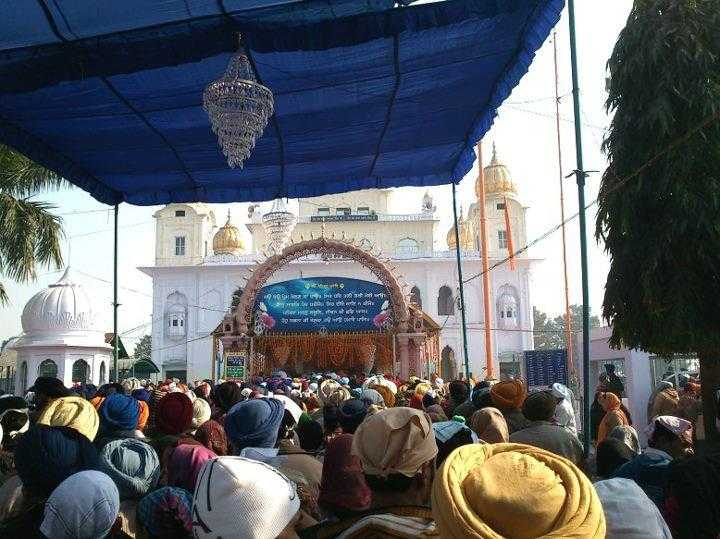
n the city of Amritsar, the Golden Temple or Shri Harmandir Sahib is located which is considered the holiest and most important pilgrimage site of Sikhism. The temple was designed by the fifth Guru Arjan Dev. The Gold was installed above the Gurudwara by Raja Ranjit Singh.
Granary of India
unjab is also called the Granary of India or Bread Basket of India. It produces 17% of India’s total wheat production, and 11% of India’s rice (Data, according to the 2013 report). Agriculture is the largest industry of the state and about 84% of the land is under cultivation.
Martyrs of Jallianwala Bagh
Jallianwala Bagh is situated in Amritsar, the largest city of Punjab. On 13 April 1919, Jallianwala Bagh massacre took place here under the command of Colonel Reginald Dyer in which more than 1500 people died and several got injured.
The Unique Ceremony
Every year, the Wagah-Attari border ceremony is held on 14 and 15 December during the Independence Day of Pakistan and India, respectively. Attari is a village in the district of Amritsar, India, and Wagah is a village in the district of Lahore, Pakistan.
World Famous Cuisines
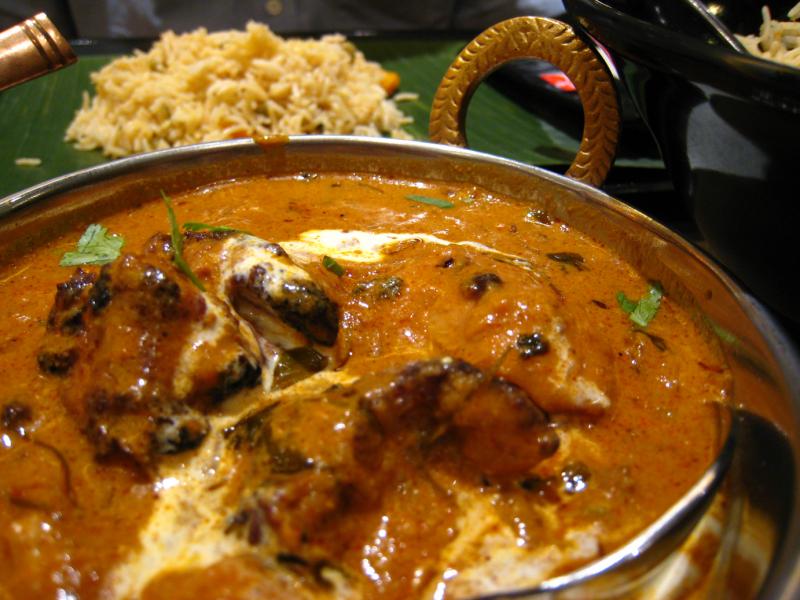
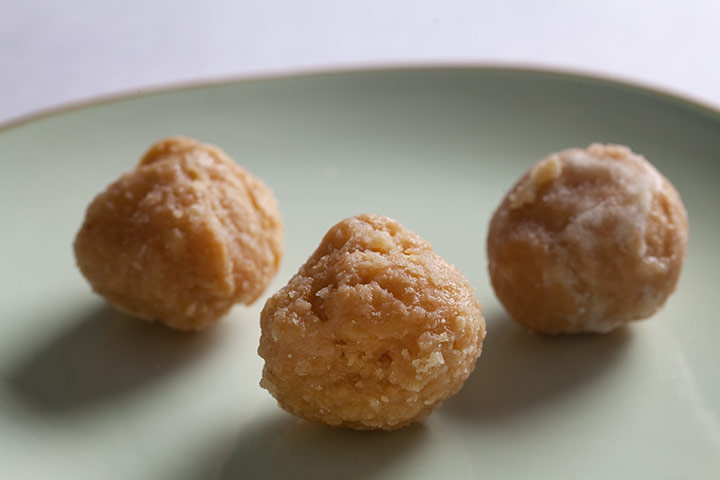
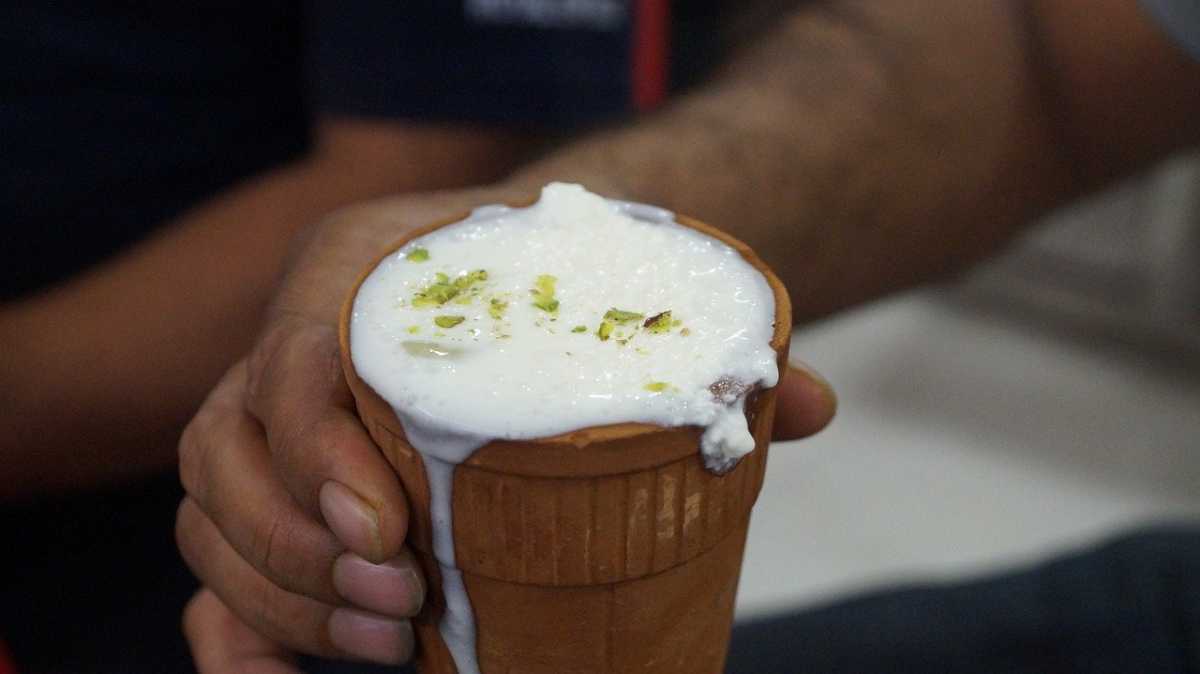
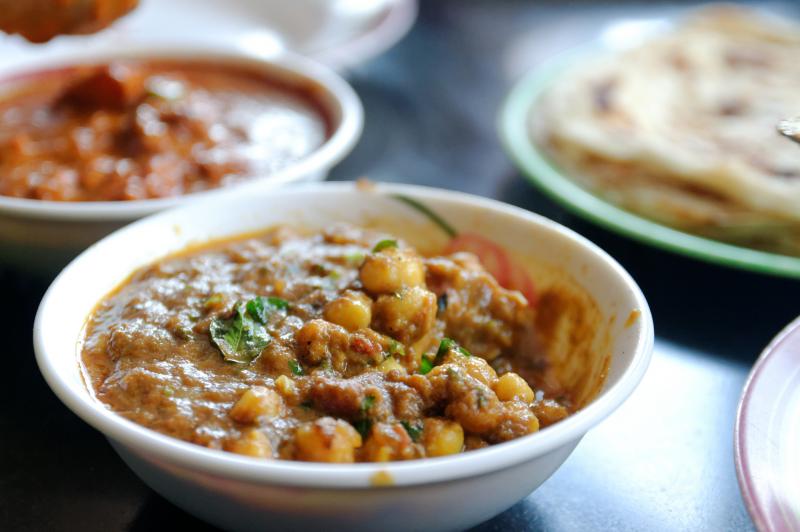
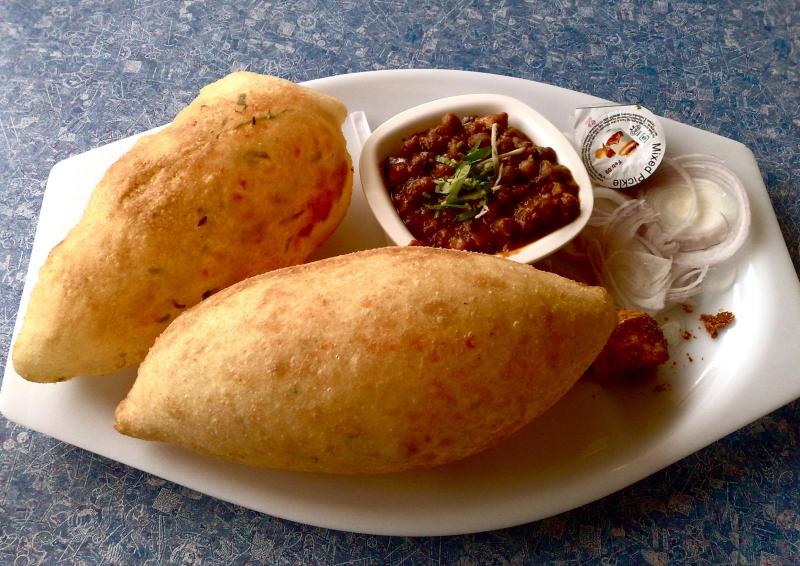
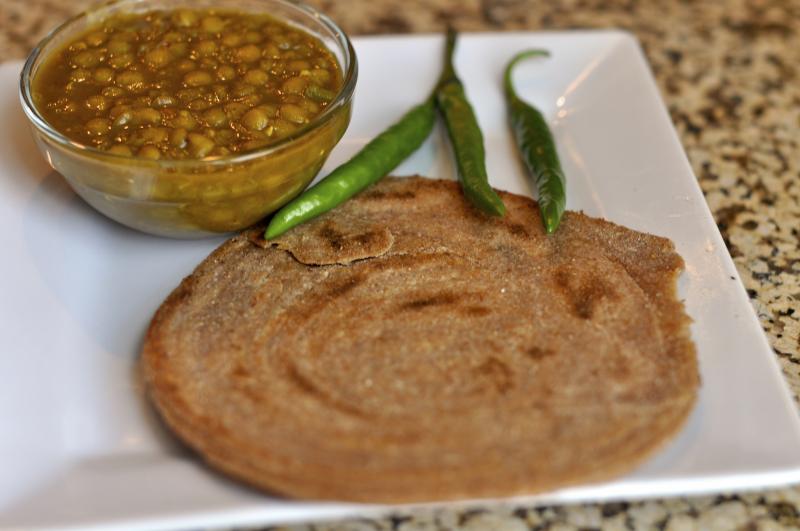
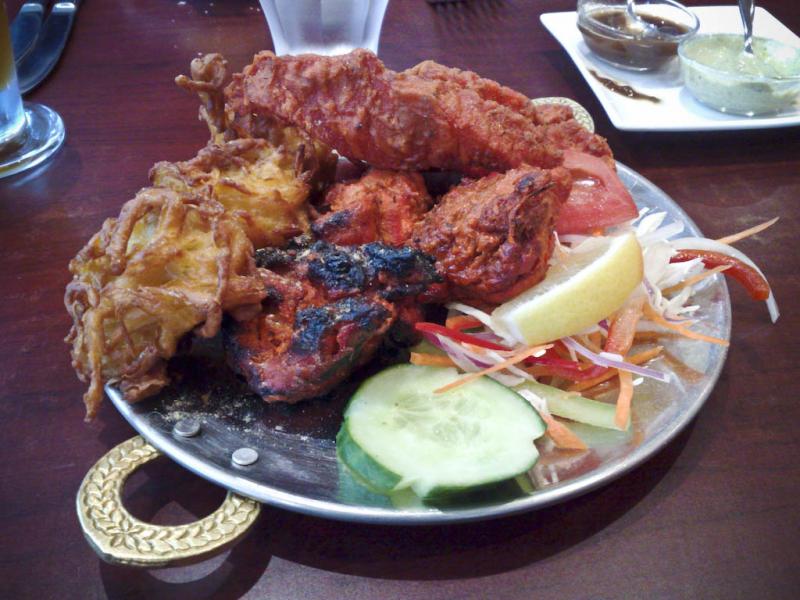
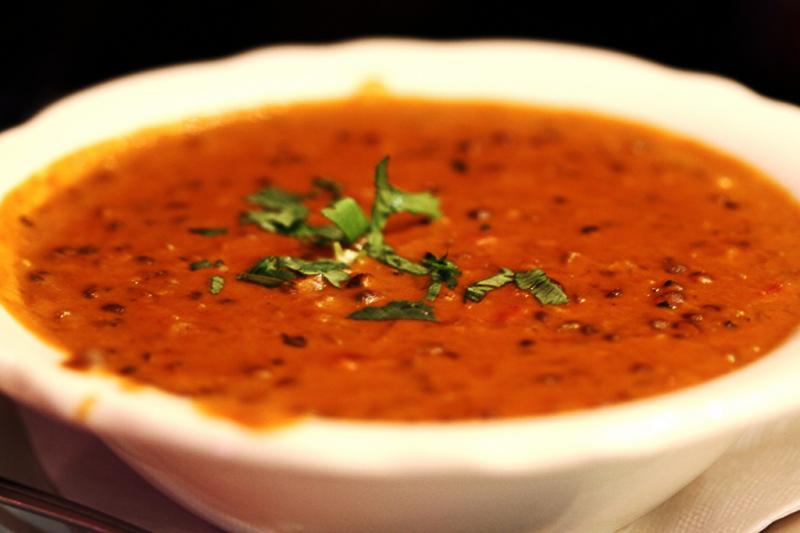
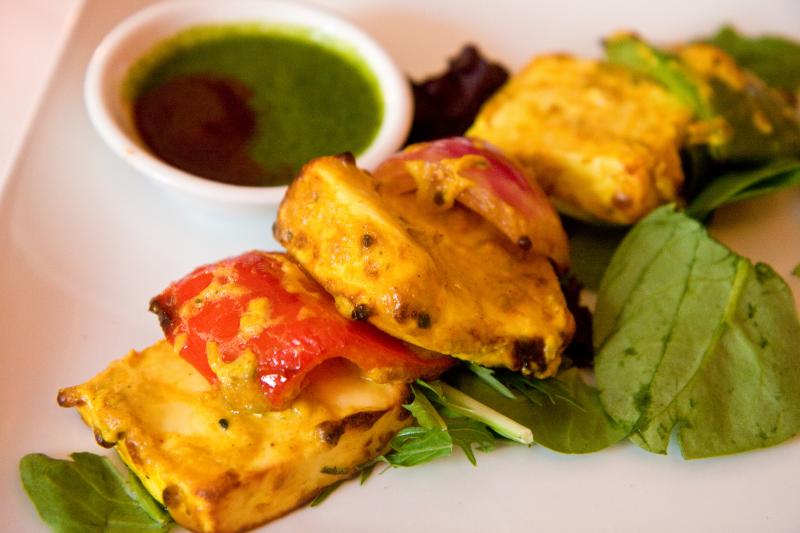
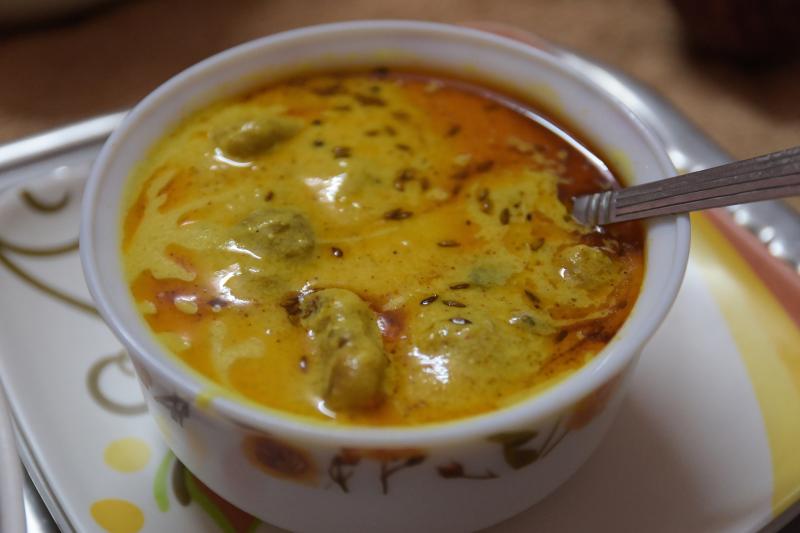
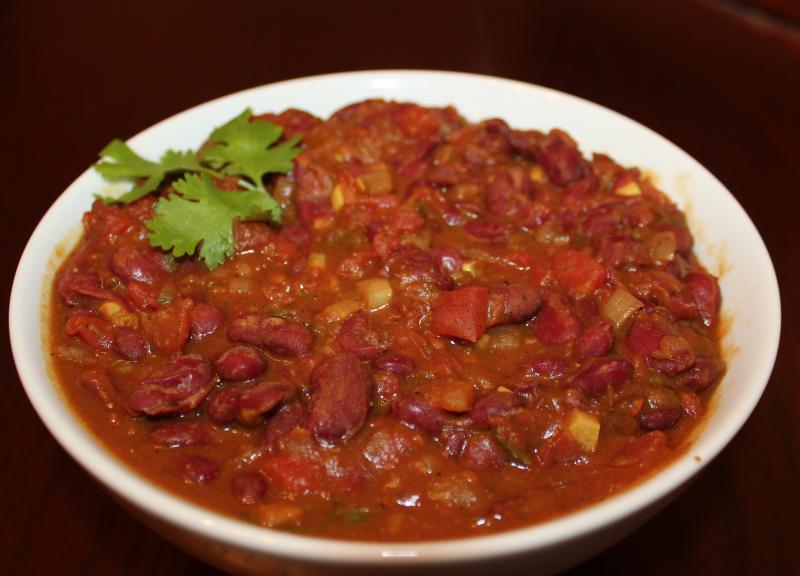
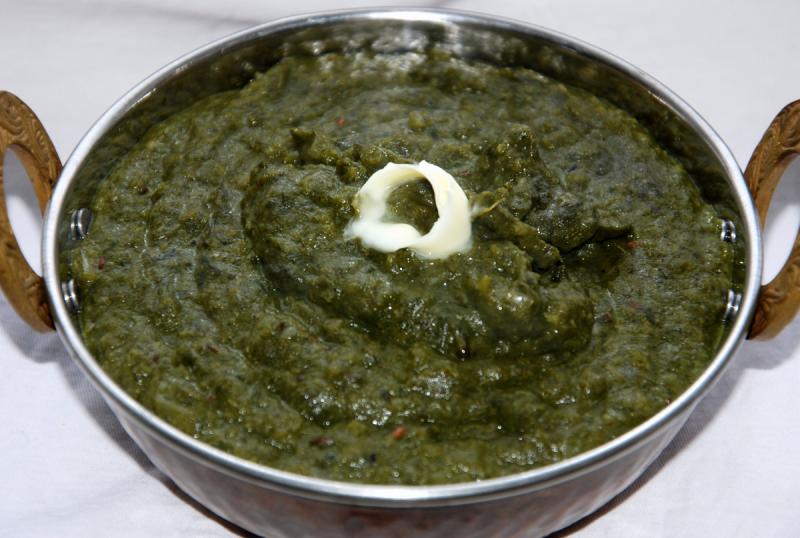
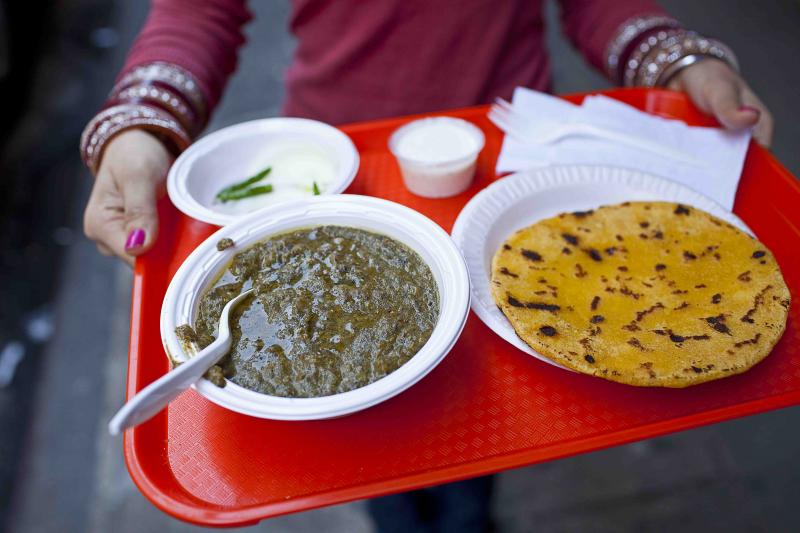
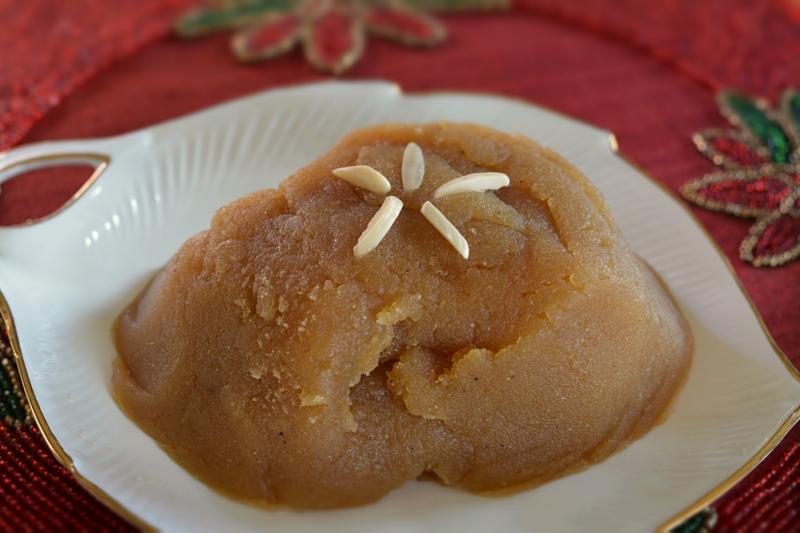
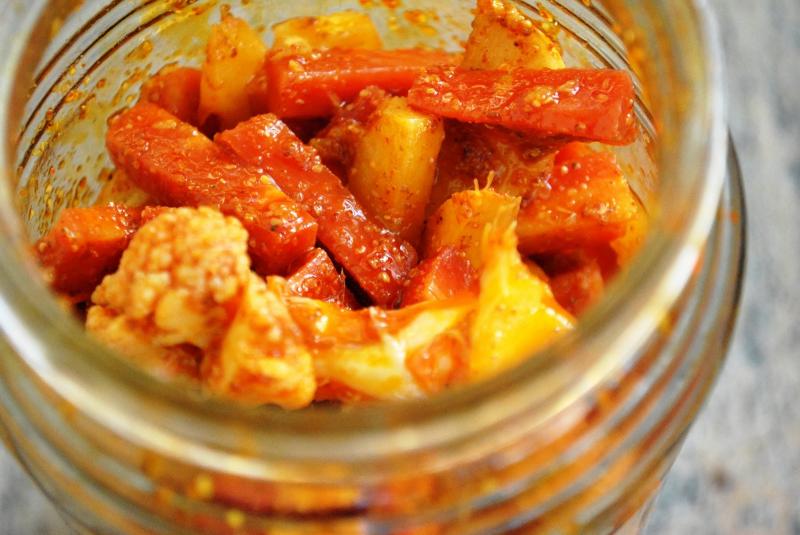
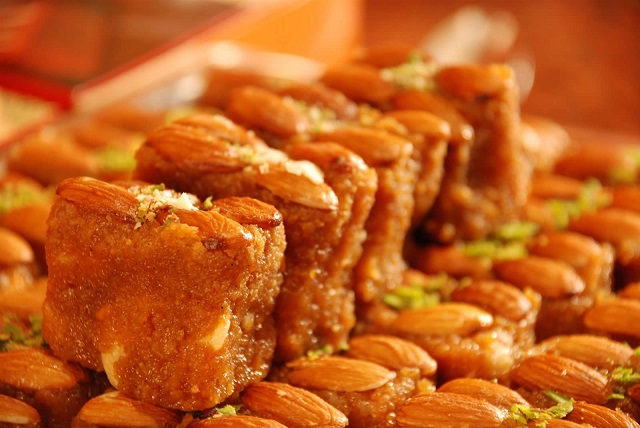
The popular Punjabi dishes are Chicken Tikka, Paratha with Butter, Tandoori Chicken, Amritsari Kulcha, Makke ki roti (Bread of Maize), and Sarson ka Saag (Vegetable of Mustard greens). In beverage, they include very famous ‘Lassi.’
Colorful Festivals
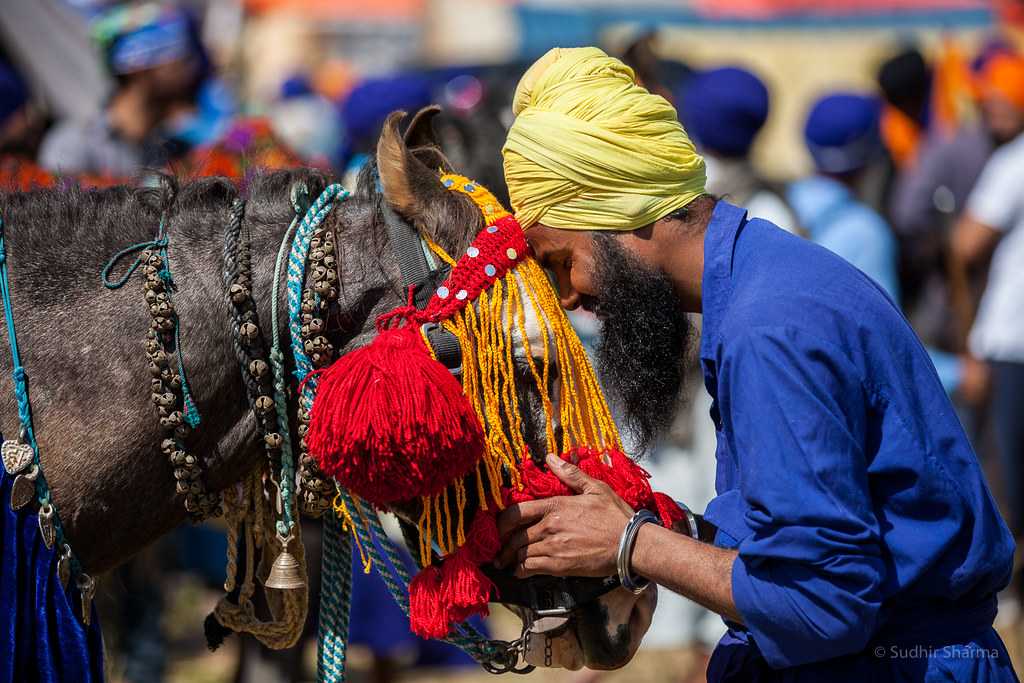
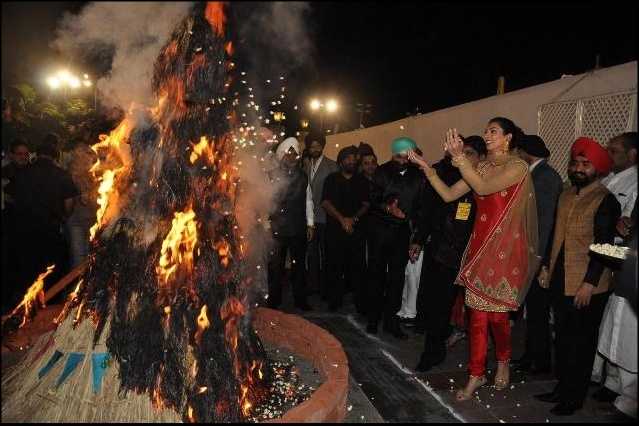
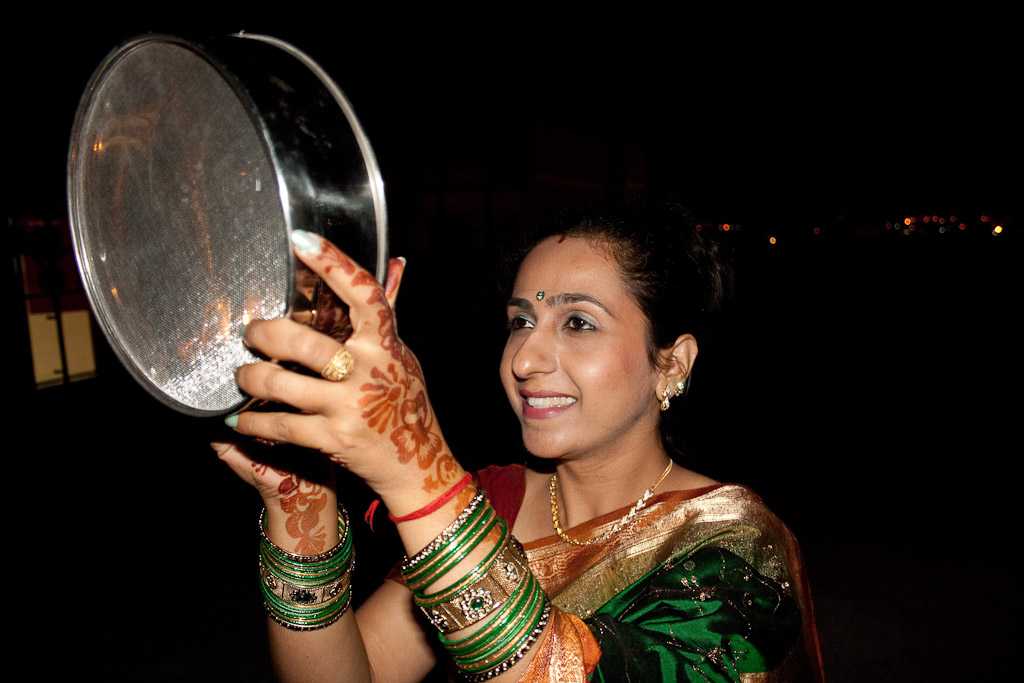
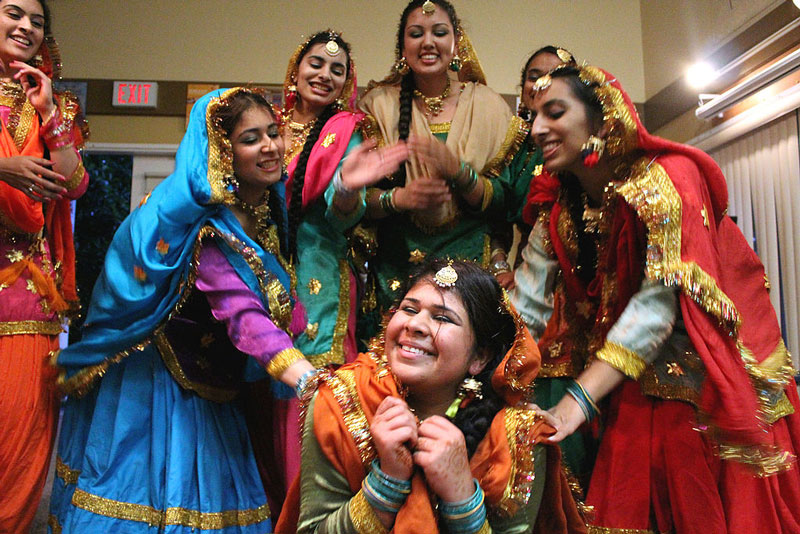
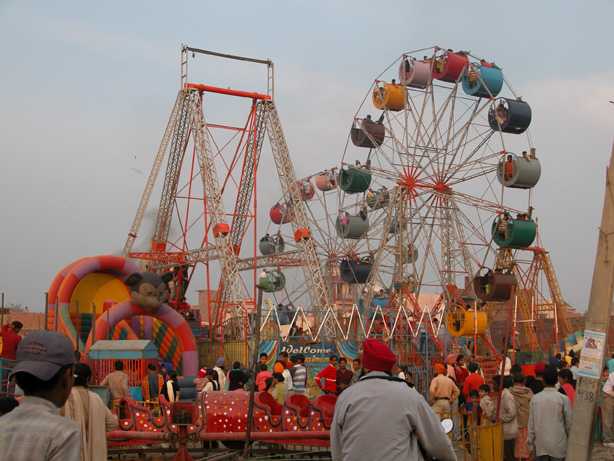
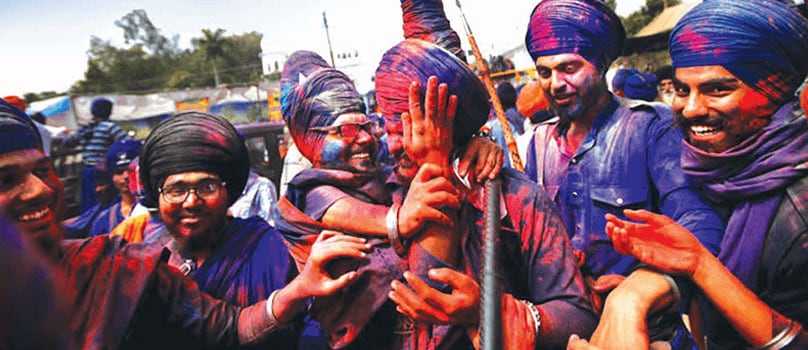
Punjabis celebrate their festival enthusiastically. They have a number of festivals including Vaisakhi (Celebrated after harvesting the wheat crop), Lohdi (Celebrated in January), Holi, Maghi, Teej, etc.