It covers the area of 342,239 sq km with a population of 68548437 (according to the Census 2011). It comprises 22 kingdoms of princely states that combined under a common name, Rajasthan on 30 March 1949.
Aravalli: The Oldest Range Of Fold Mountains
Aravalli Range dates back to the time when the Eurasian Plate was separated from the Indian Plate by the ocean. This significant shield was formed from cratonic collisions and used to be higher in ancient times. This isolated rocky range is nearly 560 km long and its major portions pass through Rajasthan.
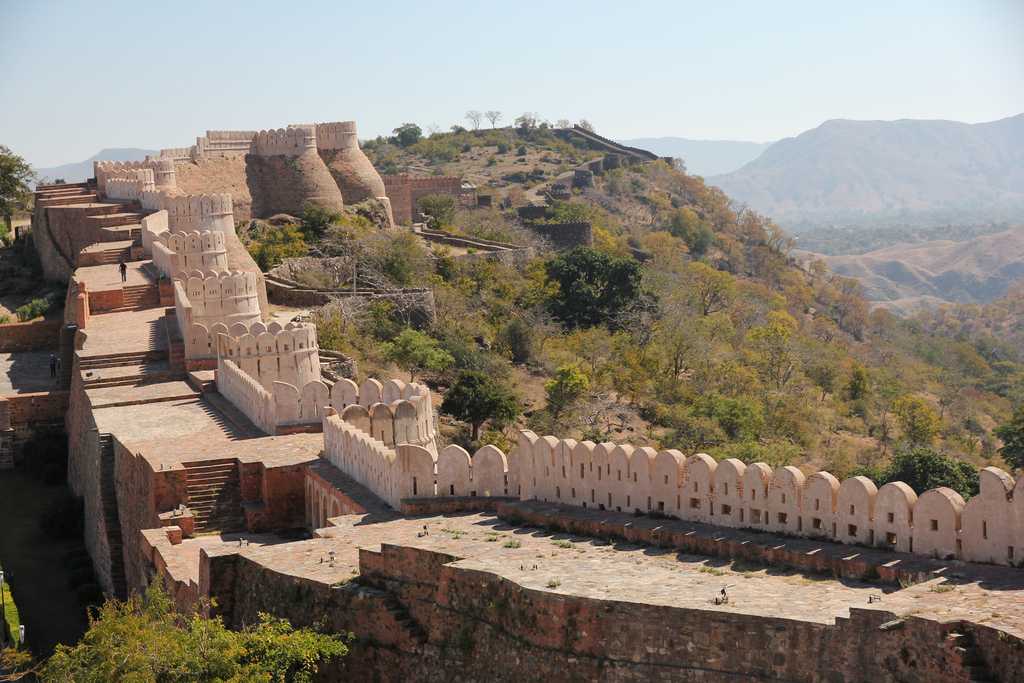
The Great Wall of India
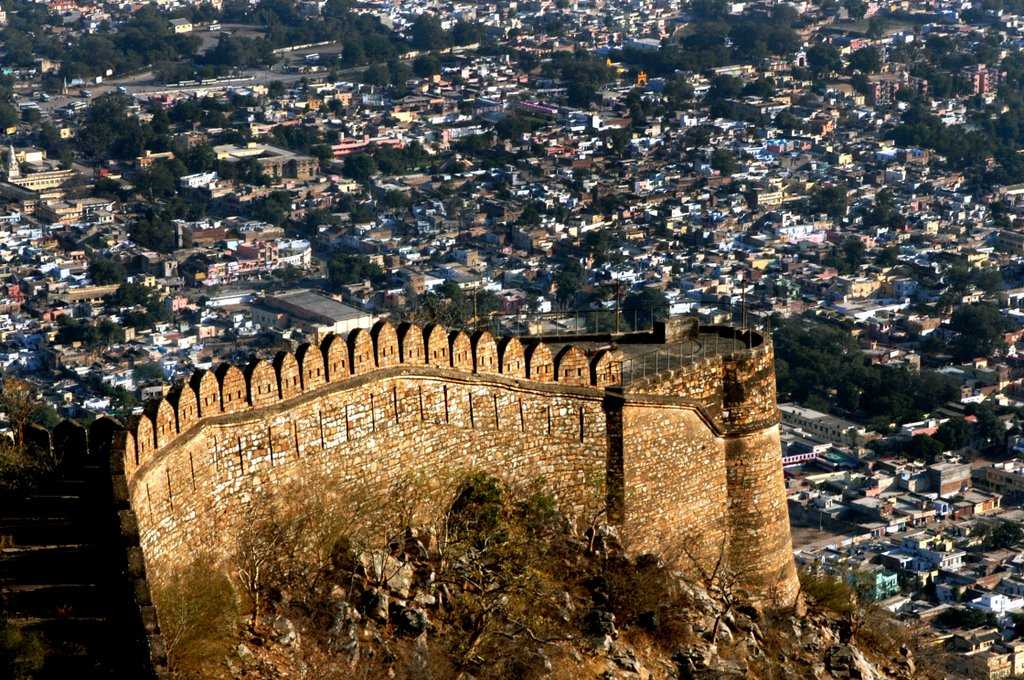
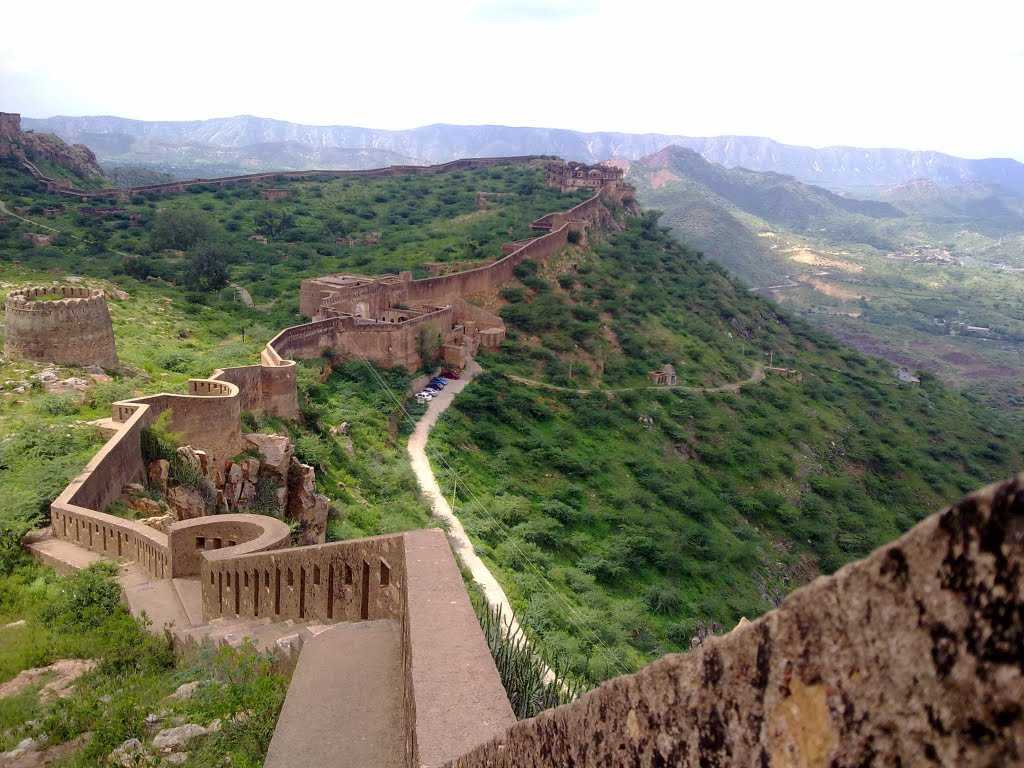
Kumbhalgarh or Kumbhal Fort is a Mewar fortress on the Aravalli range near Udaipur. In 2013, it was declared as a UNESCO World Heritage Site. It has a 38km long wall, which makes the fort among the largest wall complex in the world and the second largest fort in Rajasthan after Chittor Fort
Luni River: India’s Saline River
Luni River originates in the Pushkar Valley and flows through the Thar Desert to meet its final destination in the marshy lands of Kutch. The river got its name from the Sanskrit word Lavanvati, which means salt river. The river has a high amount of salinity in its water.
Tourist Attractions: 8 UNESCO World Heritage Sites
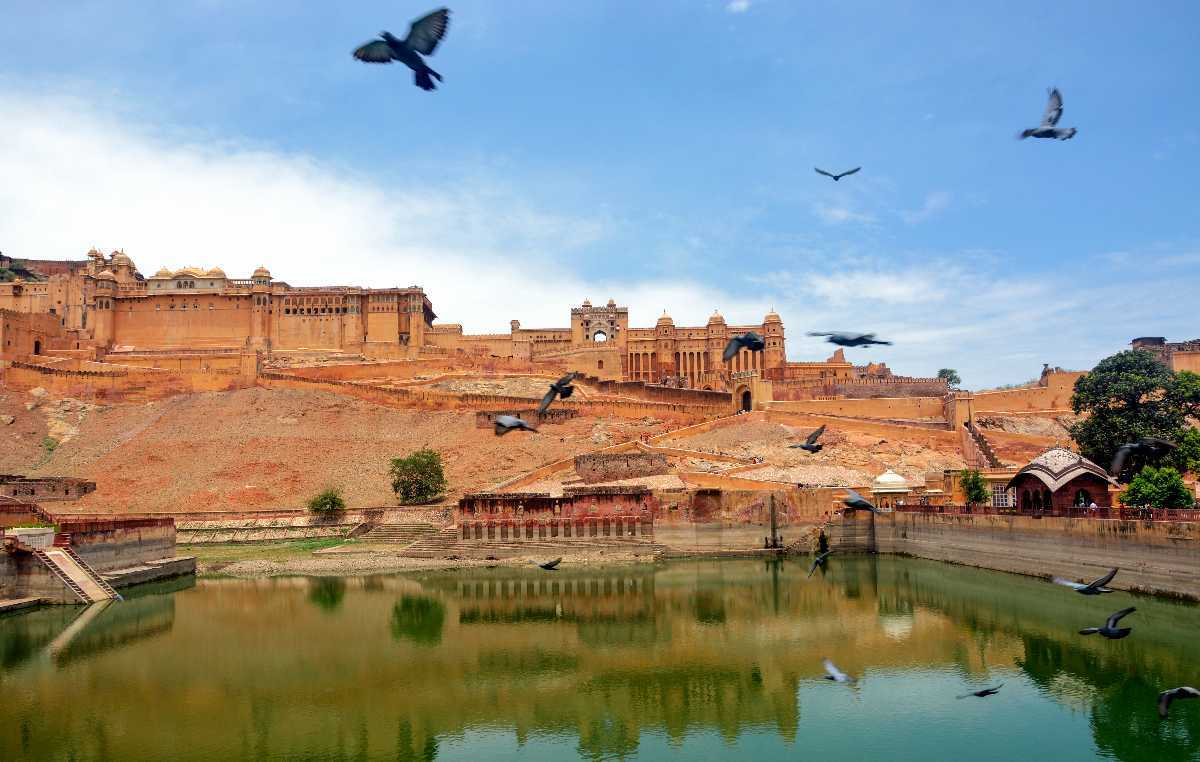
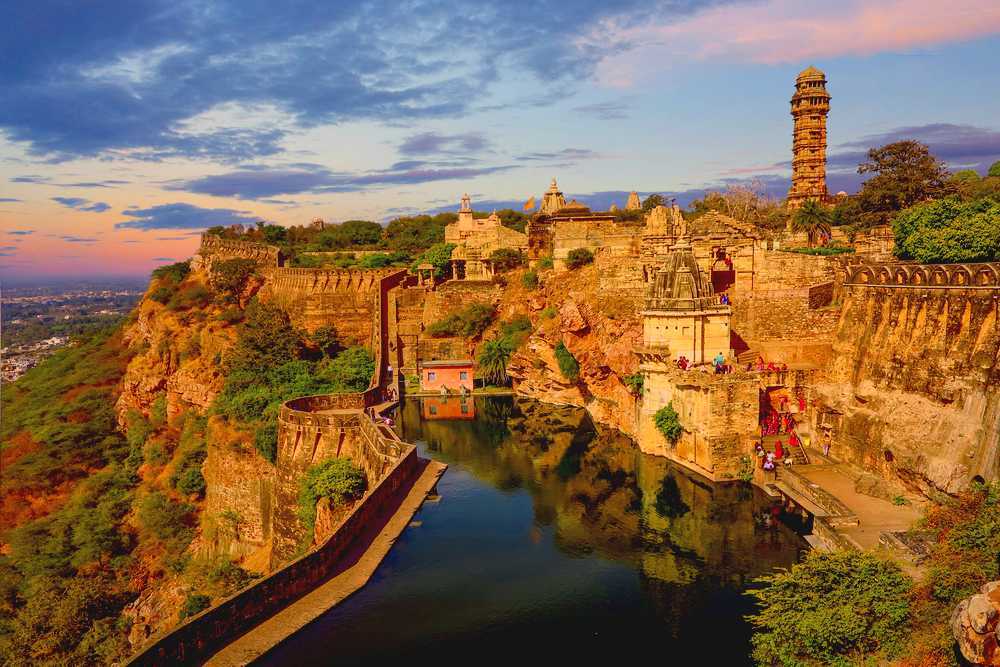
The vibrant state of Rajasthan is home to 8 UNESCO World Heritage sites which include Chittorgarh Fort, Kumbhalgarh Fort, Ranthambore Fort, Gagron Fort, Amber Fort, Jaisalmer Fort, Keoladeo National Park, and Jantar Mantar. Apart from the national park, all the other mentioned historical sites exhibit marvelous architecture of the Royal Rajputs.
Color coded cities
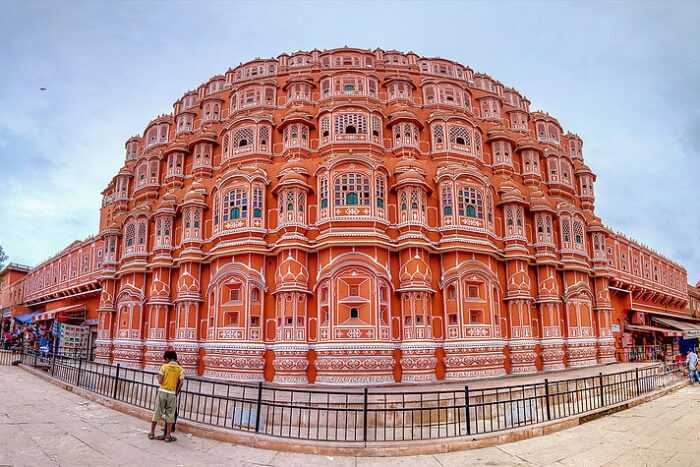
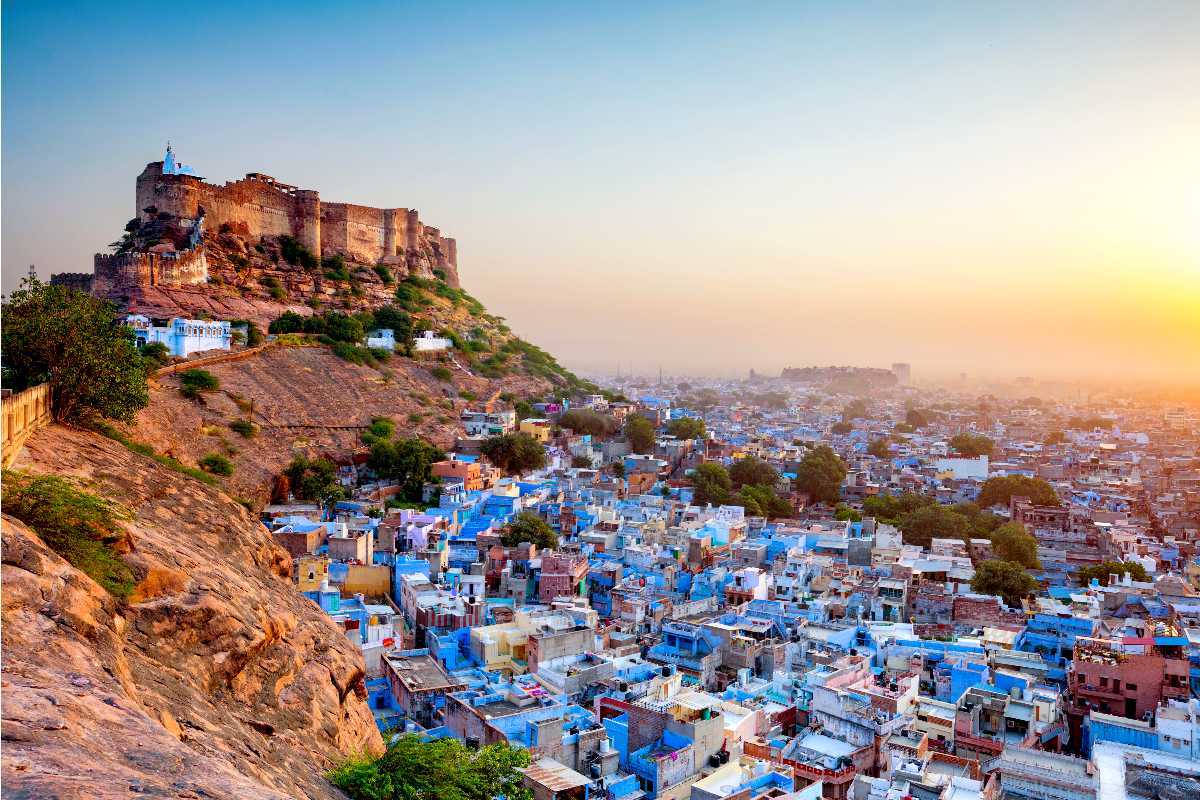
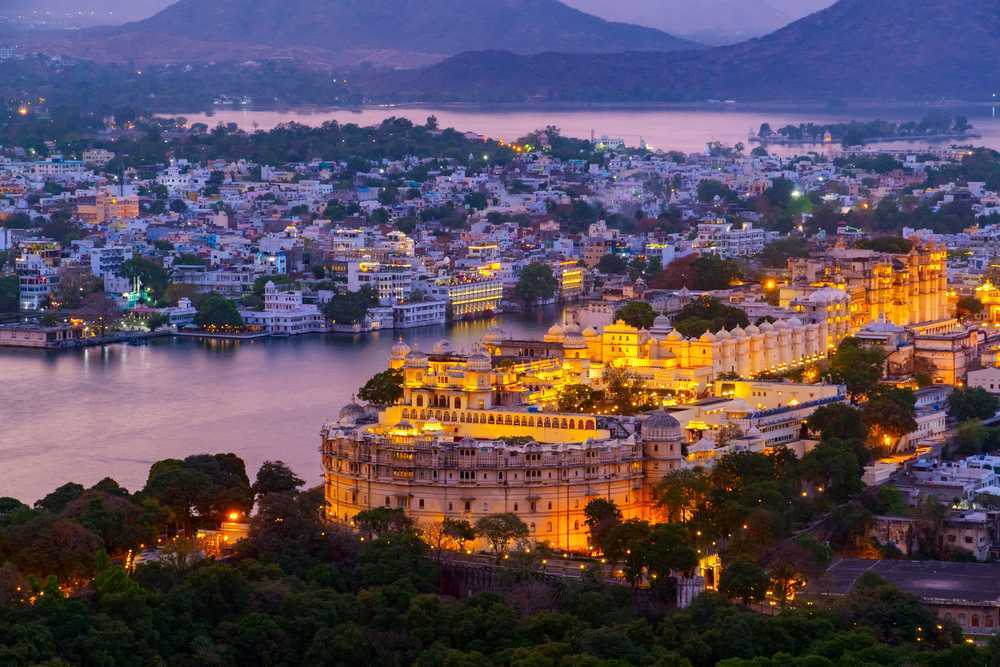
The most visible fun fact about Rajasthan is that every city in the state follows a colour code. Jodhpur is known as the blue city, due to blue walls of the houses of the locals, Jaipur is known as the pink city, Udaipur as a white city and Jaisalmer as a golden city.
Land of the Kings Rajasthan
Before the British reigned India, the state of Rajasthan was known as ‘Rajputana’ and was ruled by different Kings, all superior in their own ways. Hammer Dev Chauhan, the last King of the Chauhan Dynasty ruled from 1283-1301. Rana Kumbha ruled from 1433-1468 and never lost any battle during his reign.
Hem Chandra Vikramaditya ruled from 1501-1556 wherein he defeated the army of Akbar in the battle of Delhi. Maharana Pratap Singh who ruled from 1540-1597 was the most famous who fought the battle of Haldighati.
Nuclear test destination
India’s nuclear test was conducted in Pokhran in 1974 under Prime Minister Atal Bihari Vajpayee’s rule. On 11th and 13th May, India conducted a set of five nuclear tests that left the world stunned.
Earliest ploughed agricultural field
Kalibangan in Rajasthan is one of the main sites of the Indus Valley Civilization that flourished for about 450-600 years. This site has given evidence of the earliest ploughed agricultural field. This site also gave evidence of the earliest recorded earthquake (2600 BC), which could have also been the reason behind the end of the civilization.
Only Brahma Temple
Pushkar, a quaint town in Rajasthan is home to the only Brahma Temple in the world. Located on the banks of the holy lake, this temple dates back to the 14th century.
Made out of stones and marbles, this temple sanctum sanctorum holds the image of four-headed Brahma and his consort Gayatri (goddess of milk).
The Only Hill Station
Located 1,722 meters above sea level and situated on the highest point of the Aravallis range, Mount Abu is the only hill station of Rajasthan. This quaint hill station is home to waterfalls, lakes and green forests.
World’s Most Beautiful Jain Pilgrimage Site
Rajasthan is home to many religious monuments, the most famous is the Dilwara Temple of Mount Abu. Among the other Jain temples, Dilwara temples are considered the most beautiful example of architectural perfection.
India’s Largest Desert
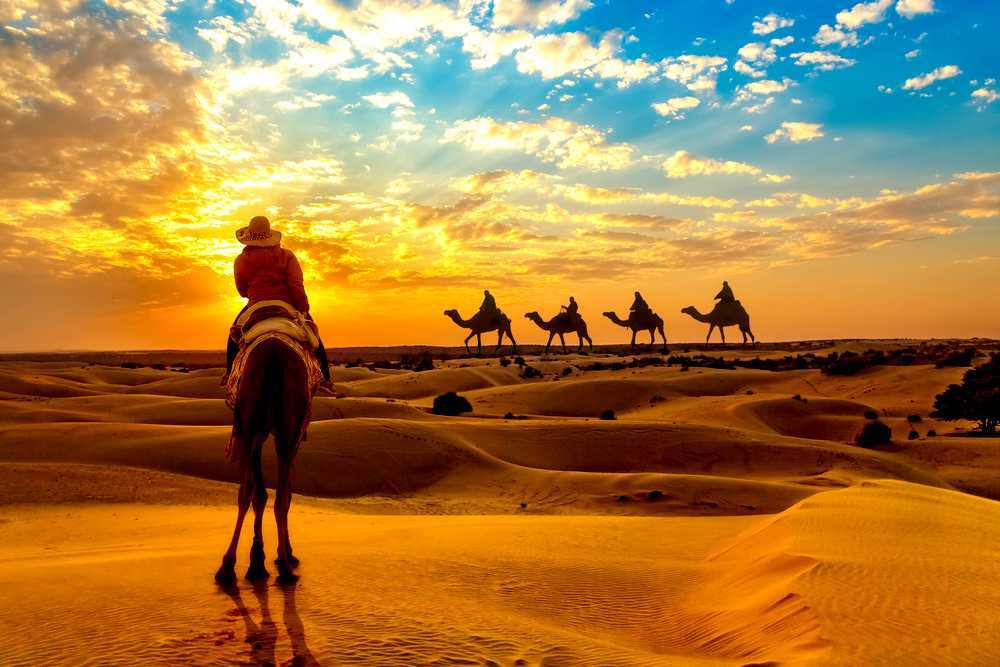
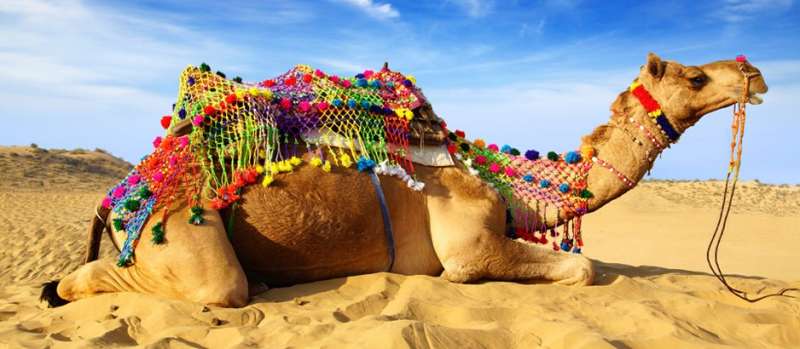
The Thar Desert or the Great Indian Desert is India’s largest and world’s 18th largest desert. More than 60% of the desert lies in Rajasthan.
The Serenity of Ajmer Sharif
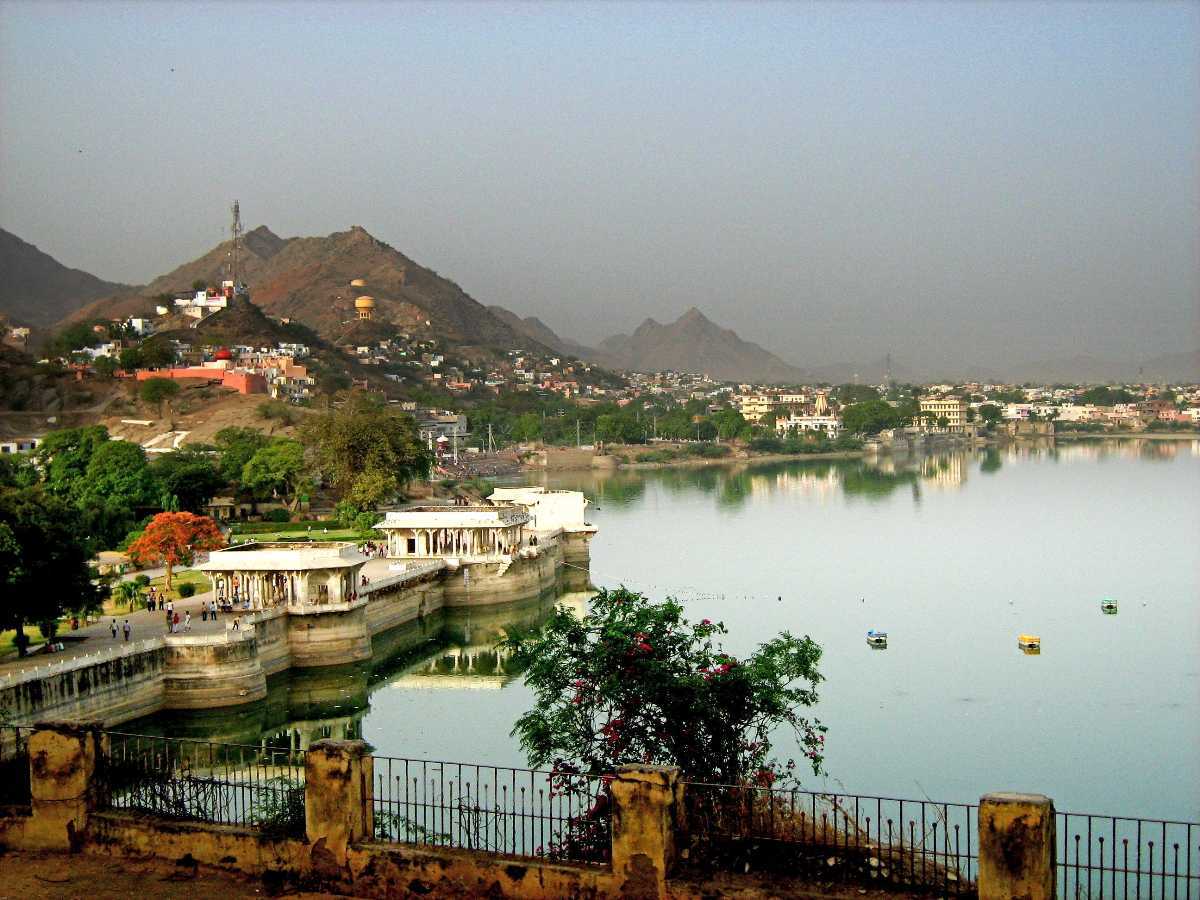
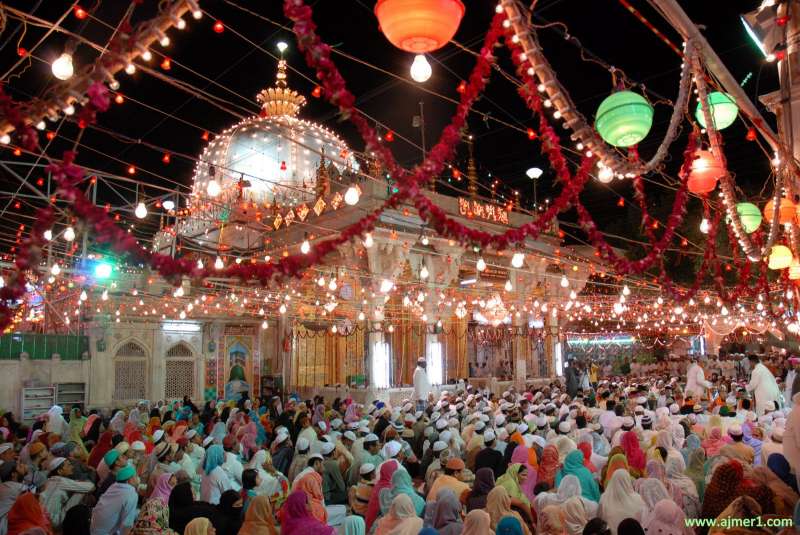
It is one of the most sanctified shrines in the country. Ajmer Sharif Dargah is the holy shrine and tomb of Saint Khawaja Moinuddin Chishti. The beautiful Anasagar lake in the background is added bliss to this serene place. It’s been said that whoever visit Ajmer Sharif and pray with pure faith will free their soul. The Dargah witnesses a large number of visitors of every religion.
Haunted Fort of Bhangarh
Bhangarh Fort is considered one of the most haunted places in India. Even the official administrative machinery doesn’t consider the place normal, and it has been prohibited to enter the fort from sunset to sunrise.