Tripura was being ruled by Tripuri dynasty and thereafter became a princely state during period of British rule and ultimately joined hands with India after its independence.
Origin of Name
Tripura is named after the ‘Tipara” tribe to which the ruling kingdom of Tripura belonged.
Culture
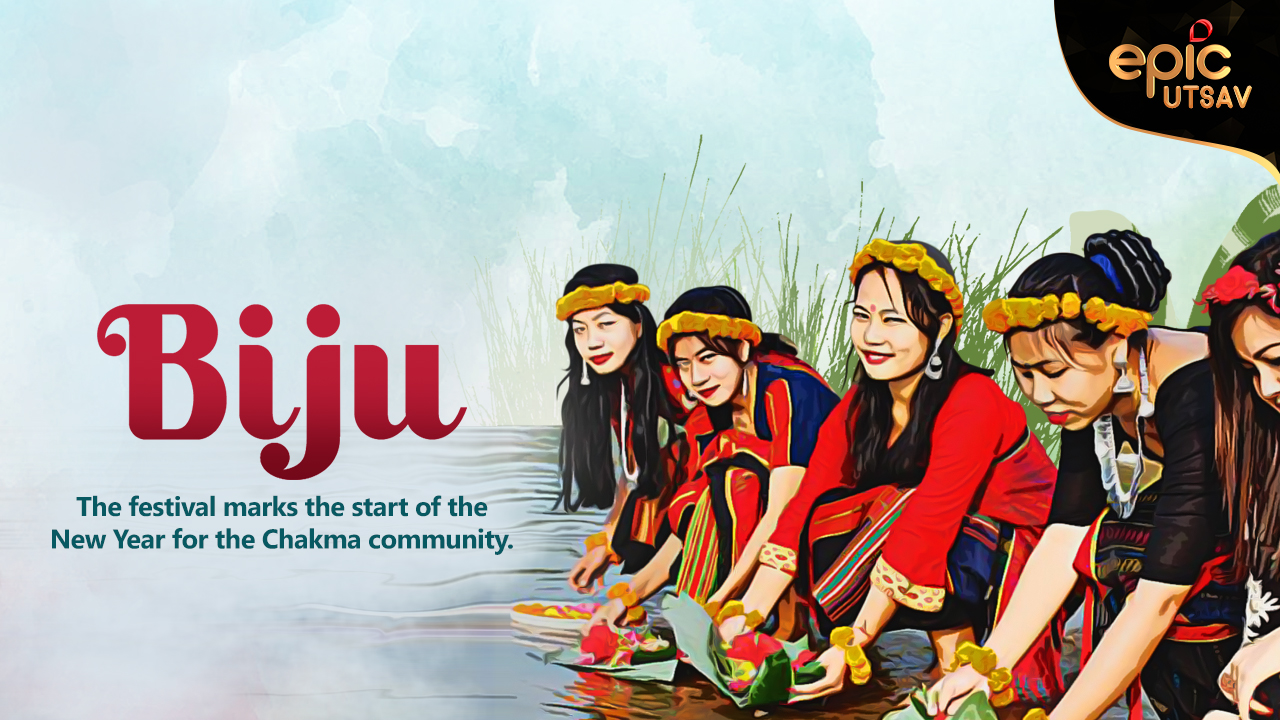
There are several ethnic tribes in Tripura and the culture of one community differs from that of other. Yet, they have tried to stay together as one culture. Bengali culture co-exists along with the ethnic culture in Tripura.
Capital
Its capital city is Agartala. Agartala is one of the major towns in North-East India.
Neighbours
The neighbouring states of Tripura are Assam and Mizoram. Bangladesh is the neighbouring country.
Demography
It is the 2nd most populous state among the North-eastern states. It has a population of more than 3.6 million people.
Majority
The Bengali people from the majority in the State of Tripura. The local ethnic tribes count for the remaining 31 percent. (2001 cencus)
Climate
The regions of the state are prone to danger of storm and cyclones. The weather is pleasant. The summer temperature ranges between 24 and 36 degree Celsius while the winter temperature ranges between 13 and 27 degree Celsius.
Major Industry
Tea is the major industry here. The handicraft and handloom works of Tripura are rare example of art and is demanded world-wide. The rare handcraft works of Tripura are an invitation to the visitors.
Places of Interest
(a) Lord Jagannath Temple in old Agartala, (b) Ujjayanta Palace, (c) Kali Temple at Kamala Sagar, (d) Neermahal at Rudrasagar Lake, (e) Tripura Sundari Temple, etc.